October 26, 2026
This comprehensive article explores the meticulous processes employed by expert teams to safely transport heavy and fragile items. Moving delicate goods during a relocation requires physical skill, advanced technology, and careful planning. Partnering with a licensed moving company becomes increasingly vital in today's mobile society, where individuals and commercial enterprises frequently relocate across state lines. The focus here will delve into the specific techniques, specialized tools, and strict safety protocols that make industry specialists adept at managing the extreme complexity of transporting bulky, high-value, and delicate personal belongings.
Understanding the Nature of Heavy and Fragile Items
The primary characteristic of heavy items is their significant mass, which requires special handling and heavy-duty mechanical equipment. Many heavy items like grand pianos, gun safes, or solid wood furniture carry inherent risks if not handled properly by trained crews. They necessitate heavy-duty dollies, padded straps, or custom-built rigs to move safely through structures. Incorrect handling of these items can result in serious personal injuries or severe property damage to doorways, walls, and flooring. Additionally, the sheer size and bulk of these items pose structural challenges when maneuvering through narrow hallways, tight doorframes, or steep staircases.
Fragile items are defined by their delicate physical construction or susceptibility to impact breakage. Items such as glassware, crystal stemware, fine antiques, or sensitive electronic systems require exceptional care to prevent permanent damage during transit. Unlike heavy items, their inherent fragility stems from delicate material properties or sensitive internal mechanical components that can easily break under stress. Specialized packing materials like multi-layer bubble wrap, dense foam cushioning, and custom-sized corrugated boxes are typically employed to cushion these items. The goal is to ensure they remain completely stationary and protected from external physical impacts throughout the entire journey.
Moving heavy and fragile items presents distinct physical and logistical challenges that experienced movers must overcome on site. Heavy items are challenging not just for their weight, but also because of human strength limitations and the potential for muscle strain. Fragile items require significant expertise in custom packing to avoid damage from sudden impacts or continuous road vibrations during transport. A reliable moving company uses a highly calculated approach to properly secure, monitor, and manage these items until they safely reach their final destination. According to Mordor Intelligence, by distance, domestic moves represented 90.70% of the moving services market size in 2025.
Tools and Equipment Utilized by Professional Movers
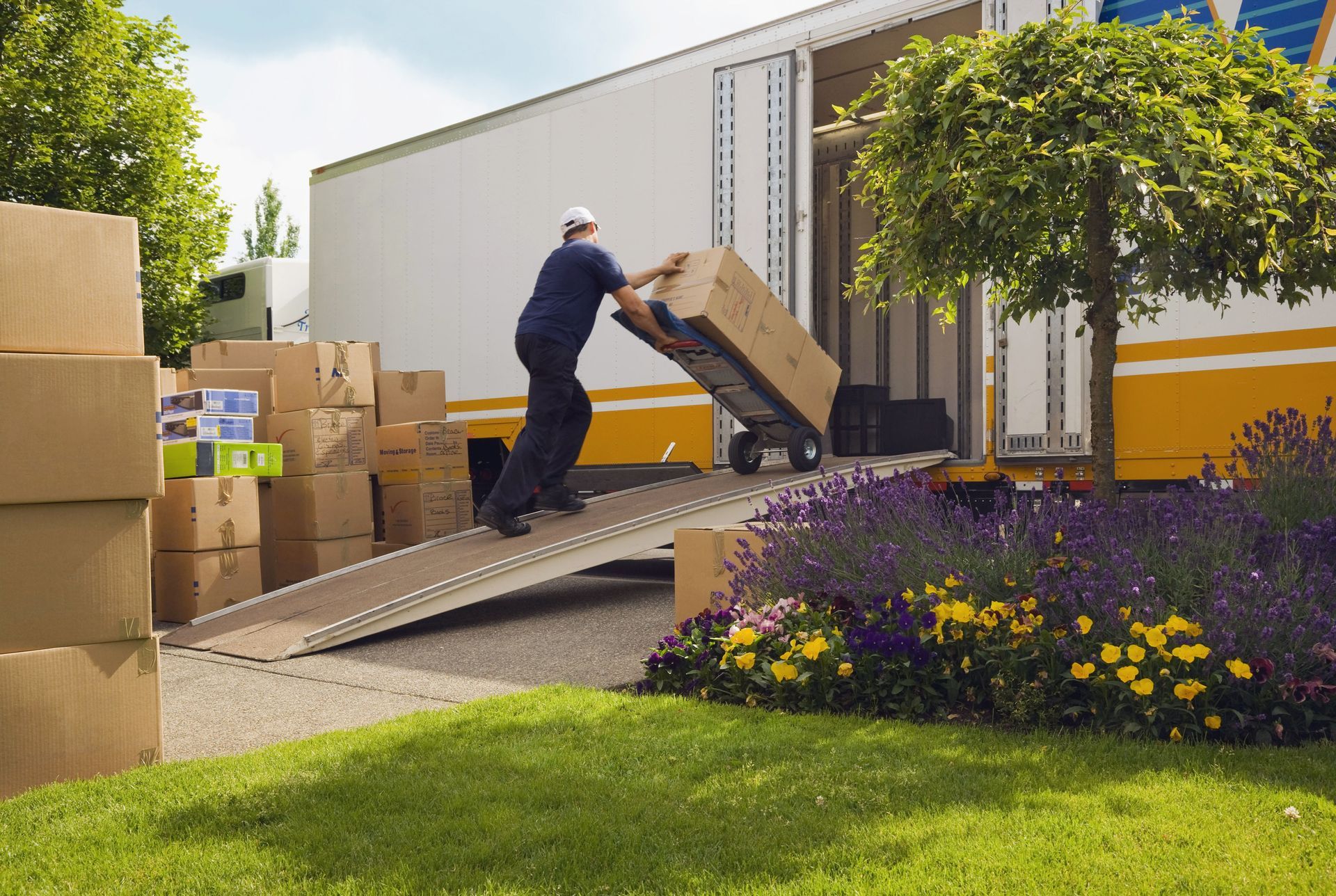
Professional moving teams rely heavily on specialized mechanical equipment to manage heavy items safely and efficiently. Heavy-duty dollies and two-wheeled hand trucks are commonly used for their proven ability to support significant weight while providing smooth mobility across surfaces. Ergonomic moving straps and shoulder harnesses help redistribute heavy weight across the body and provide necessary leverage, which is crucial for navigating stairs safely. Larger commercial items may require hydraulic forklifts or specialized cranes when items must be hoisted vertically through exterior windows. The right equipment facilitates the relocation process while preventing personal injury and severe property damage.
Securing fragile items is a delicate process that calls for technical expertise, extreme care, and precision. Bubble wrap and high-density foam sheets are foundational staples for cushioning, while rigid corner protectors and specialty double-walled boxes offer structural security. For extreme fragility, customized packing solutions, such as crate-on-crate packaging or custom wooden enclosures, are employed to stabilize items completely. The careful choice of packaging materials plays a vital role in the successful transport of delicate household goods, with double-walled corrugated boxes providing enhanced structural protection against crushing forces.
Modern technology enhances the efficiency and security of the moving process through both the planning and execution phases. Integrated GPS tracking ensures precise logistics coordination and provides timely updates on the shipment's geographical status. Specialized transit vehicles are completely indispensable in ensuring the smooth, safe relocation of heavy and fragile items. Moving trucks equipped with advanced air-ride suspension systems help protect delicate goods from harmful road shocks and chassis vibrations, while climate-controlled cargo units are essential when moving sensitive items that react poorly to temperature fluctuations.
Training Techniques for Moving Professionals
Rigorous safety protocols are at the core of professional training programs, emphasizing accident prevention and effective incident response. Instruction focuses heavily on proper biomechanical lifting techniques, personal protective equipment usage, and strict regulatory compliance. Regular safety drills and practical simulations prepare crew members for real-world challenges, enhancing their ability to respond efficiently under pressure. Operational safety protocols are consistently updated to incorporate modern industry standards. Comprehensive training ensures that a professional moving company can perform complex moving tasks without risking employee injury or client property damage.
Physical conditioning is a vital component of a professional mover’s routine, aimed at enhancing physical strength, stamina, and overall health. Regular exercise regimens, tailored specifically to the physical demands of loading and unloading heavy cargo, are crucial for maintaining peak physical fitness. Structured stretching routines improve joint flexibility, thereby significantly reducing the likelihood of muscle strains, tears, or sprains during heavy lifting operations. Continuous nutrition guidance and routine health assessments ensure workers maintain high energy levels, directly correlating with improved operational performance and lower workplace injury rates.
Targeted workshops focused on skills development exceed traditional physical training by covering essential technical and soft skills. Movers learn advanced custom packing techniques that optimize physical protection and truck space usage, ultimately enhancing operational efficiency. Effective communication and seamless teamwork are critical for enabling smooth coordination among crew members during complex structural maneuvers. Formal certification and trade accreditation validate professional proficiency and a firm dedication to rigorous industry standards, reassuring homeowners of the crew's technical competence and adherence to ethical business practices.
Strategies for Packing Heavy and Fragile Items
Layered packing methods employ strategic placement of shock-absorbing materials to maximize item protection during transit. Multiple layers of cushioning provide a reliable, resilient buffer against unexpected physical shocks and continuous road vibrations. Heavy items benefit from sturdy base layers placed carefully at the bottom of moving containers, with lighter cushioning materials securing the top and sides. Fragile items require a total enveloping approach, where dense foam or bubble wrap encases the delicate item from all sides, achieving balance and structural stability to minimize destructive movement within the box during transit.
Choosing the appropriate box size and structural material is critical for packing heavy and fragile items safely. Boxes that are too large allow internal contents to shift during transport, while undersized boxes risk bursting under heavy weight. Reinforced containers, such as double-walled corrugated boxes or custom-built wooden crates, offer superior physical protection against external crushing. Accurate labeling and meticulous inventory management are crucial for effective tracking, clear organization, and safe item handling, with clearly marked labels indicating specific box contents and special handling instructions.
Professional movers utilize a powerful combination of physical skill, field experience, and specialized mechanical equipment to effectively handle heavy and fragile items. Their meticulous attention to detail and strict adherence to modern safety protocols ensure that valuable belongings arrive at their destinations without damage. Detailed logistical planning and precise on-site execution provide homeowners and commercial clients with total peace of mind during a challenging process, ensuring that every asset is transported with minimal risk.
Through unwavering dedication to service excellence, top industry providers like Bob Plaza Movers remain essential partners in navigating today's dynamic relocation needs. By blending technical expertise, rigorous training, and tailored packing solutions, a licensed moving company eliminates the stress and hazards associated with transporting complex items. Trusting experienced professionals guarantees that even the heaviest and most delicate possessions are managed with the utmost care from start to finish.