June 8, 2026
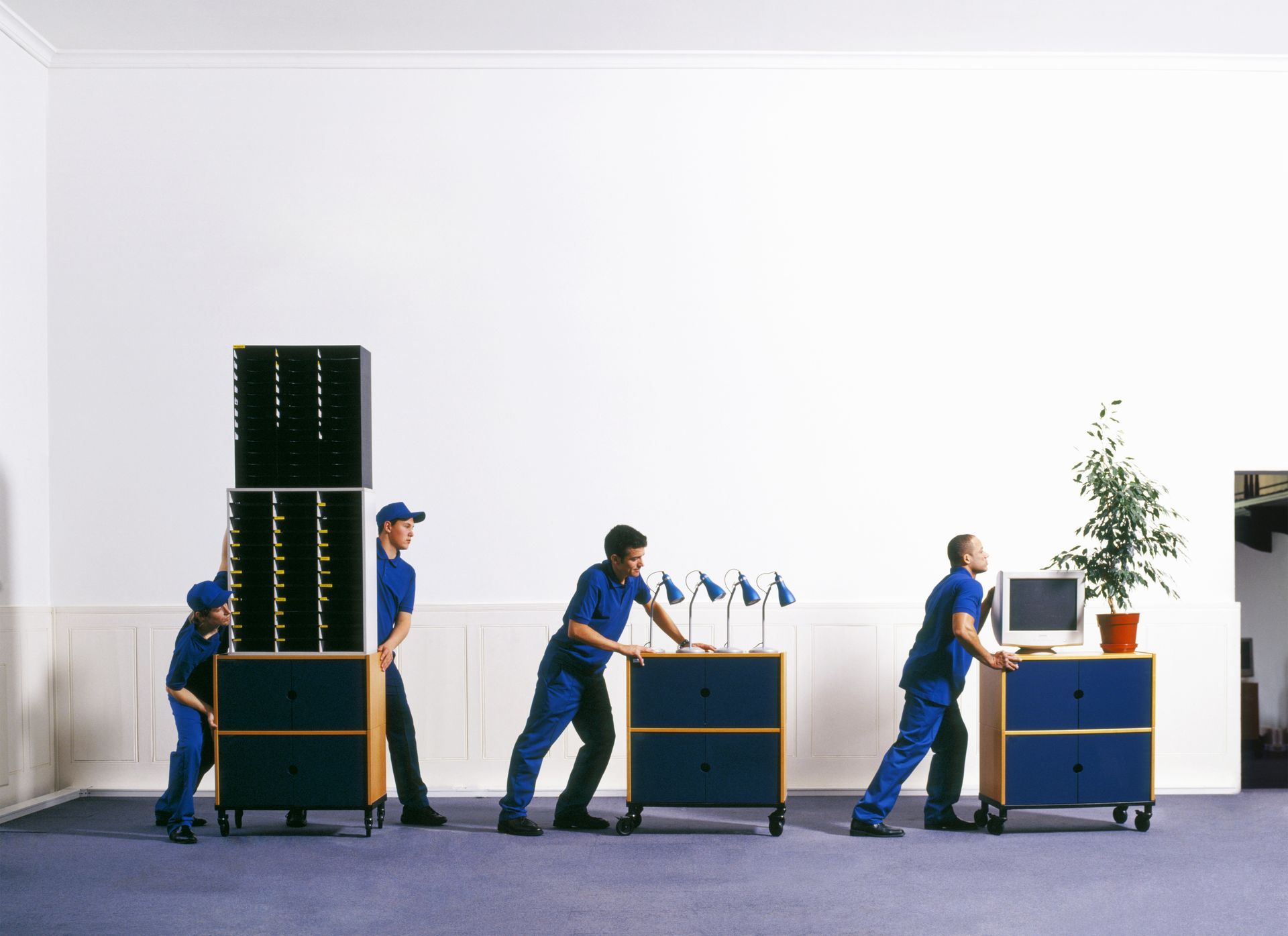
Relocating a business involves far more than transporting desks and boxes from one address to another. It requires coordination across departments, careful timing, asset protection, and strict attention to operational continuity. Even minor missteps can ripple through productivity, customer service, and revenue cycles.
For many organizations, the challenge is not just the physical move but the orchestration behind it. Inventory tracking, equipment handling, and space transitions must align with business hours, staffing needs, and contractual obligations. Without structured planning, disruption can quickly escalate.
In practice, this is where structured support becomes a defining factor in relocation success. Businesses that rely on professional assistance often find that complex transitions become significantly more manageable when responsibilities are centralized and executed with precision. Within this context, many companies turn to moving services to bring structure, efficiency, and accountability to what would otherwise be a highly disruptive process.
Strategic Advantages of Professional Commercial Relocation
How Structured Planning Supports Business Stability
A well-executed commercial relocation begins long before the first box is packed. Strategic planning determines how departments are transitioned, how assets are categorized, and how downtime is minimized across operational systems. Without this structure, even small oversights can compound into delays that affect clients and internal workflows.
Businesses that rely on moving services benefit from coordinated scheduling that aligns relocation phases with operational priorities. This allows leadership teams to maintain focus on core responsibilities rather than diverting attention toward logistics. The result is a more controlled transition that preserves stability during periods of change.
Effective planning also includes contingency strategies that anticipate potential disruptions. These safeguards ensure that if unexpected challenges arise, there are already predefined solutions in place. This level of preparedness is difficult to replicate without dedicated relocation expertise guiding the process.
Coordination of Assets and Workplace Resources
Commercial moves involve a wide range of assets, from office furniture to sensitive equipment and archived records. Each category requires specific handling protocols to prevent damage and ensure proper placement at the new location. Mismanagement at this stage can lead to costly replacement expenses or operational downtime.
Professional moving services bring organization to asset coordination by implementing structured labeling, sequencing, and transport methods. This ensures that every item is accounted for and delivered according to its designated function within the new workspace. Such precision reduces confusion during reassembly and setup.
Beyond physical items, workplace resources also include time and human effort. When employees are not required to manage logistics, they remain focused on productivity. This separation of responsibilities enhances overall efficiency throughout the relocation period.
Minimizing Disruption Through Controlled Execution
Execution is often the most sensitive phase of a business relocation. Even with strong planning, poor execution can undermine the entire process. Timing, sequencing, and labor coordination must align precisely to avoid unnecessary interruptions.
By utilizing moving services, businesses gain access to structured execution models designed to reduce disruption. Tasks such as dismantling workstations, transporting equipment, and setting up new spaces are carried out in a coordinated sequence that supports continuity.
This controlled approach ensures that essential operations can resume quickly after relocation. Instead of prolonged downtime, businesses experience a smoother transition that allows them to maintain momentum and client engagement.
Enhancing Decision-Making During Relocation
Relocation projects often require rapid decision-making under pressure. Without expertise, business leaders may find themselves navigating unfamiliar logistical challenges that can slow progress or introduce inefficiencies.
Professional support systems help streamline these decisions by providing structured guidance throughout each phase. When organizations engage moving services, they gain access to experienced coordination that simplifies complex choices related to timing, handling, and space utilization.
This clarity allows leadership teams to make informed decisions without being overwhelmed by operational details. As a result, the relocation process becomes more predictable and far less stressful.
Operational Efficiency and Risk Control During Business Moves
Reducing Operational Interruptions in Active Work Environments
Business continuity is one of the most critical concerns during relocation. Any interruption in workflow can affect revenue, customer service, and internal performance metrics. For this reason, minimizing downtime is a central objective in commercial moves.
Professional moving services are designed to support continuity by structuring relocation phases around business operations. This often includes scheduling moves during off-peak hours or segmenting transitions so that only portions of the business are affected at any given time.
By isolating disruption, organizations maintain a level of operational stability that would be difficult to achieve without structured support. This allows teams to continue serving clients and fulfilling responsibilities while the relocation progresses in the background.
Managing Risk Across Equipment and Infrastructure
Relocation introduces multiple layers of risk, particularly when handling specialized equipment or sensitive infrastructure. Damage during transport or improper handling during disassembly can result in significant financial and operational consequences.
In many cases, businesses turn to moving services to mitigate these risks through trained handling procedures and structured transport systems. Equipment is carefully prepared for relocation, ensuring that components are secured and protected throughout transit.
This is especially important for businesses that rely on technical systems or specialized tools. Proper handling reduces the likelihood of damage and ensures that equipment functions as expected upon reinstallation.
Reframing Stress Through Professional Support Systems
Relocation is widely recognized as one of the most stressful operational events for organizations and individuals alike. According to This Old House, approximately 91% of people report that moving is stressful, though many also acknowledge that professional movers significantly reduce that burden by managing logistics and physical workload associated with the process.
This finding illustrates a broader truth about commercial relocation: stress is often tied to complexity rather than the move itself. When responsibilities are centralized through a moving service, that complexity is reduced, allowing business owners and staff to focus on strategic priorities instead of operational strain.
By shifting logistical responsibilities to trained professionals, organizations reduce cognitive load and emotional pressure. This contributes to a more controlled and manageable relocation experience overall.
Strengthening Compliance and Safety Standards
Commercial environments often require adherence to strict safety protocols during relocation. These may include workplace safety regulations, equipment handling standards, and facility-specific requirements. Failure to comply can result in delays or liabilities.
Professional relocation teams integrate safety and compliance into every stage of the process. When businesses utilize moving services, they benefit from structured procedures designed to meet regulatory expectations while maintaining operational efficiency.
This dual focus on safety and execution ensures that relocation activities are conducted responsibly. It also reduces the likelihood of incidents that could impact both personnel and assets during the move.
Commercial relocation is a complex undertaking that demands careful coordination, risk management, and operational foresight. Without structured support, businesses often face unnecessary delays, productivity loss, and logistical challenges that can affect both short-term performance and long-term stability.
By integrating professional support into the relocation process, organizations gain a more controlled and efficient pathway to their new workspace. This approach reduces disruption, protects assets, and preserves continuity across departments during a critical transition period.
Ultimately, businesses that prioritize structured relocation strategies are better positioned to maintain momentum and stability throughout change. With the right systems in place, a move becomes less of an operational burden and more of a managed progression toward improved functionality and growth. If you're a relocating business owner looking for professional moving assistance, reach out to Bob Plaza Movers!